Read Our Latest Impact Report

Circular Economy

Turning Proximity into Impact: How Quartiersschmiede Creates Circular Business Districts

Through the Circular Impact Procurement Initiative, we support innovative, public-benefit-oriented enterprises that offer circular solutions and thereby advance social and environmental progress. One of these solutions is Quartiersschmiede from Ahrensburg. The digital B2B community platform applies the proven principle of neighbourhood collaboration to commercial districts. Companies can connect with one another, exchange knowledge, offer resources and services, share underused operating assets, and jointly develop solutions to local challenges.

Turning Proximity into Impact: How Quartiersschmiede Creates Circular Business Districts Read More »

Reusable instead of single-use: How rhinopaq is establishing packaging loops in commercial shipping

Through the Circular Impact Procurement Initiative, CIPI, we support innovative, mission-driven companies that offer circular solutions and thereby advance social and environmental progress. One of these companies is rhinopaq. The company develops reusable shipping packaging for parcel and freight transport and supports its customers in establishing tailored reuse loops.

Reusable instead of single-use: How rhinopaq is establishing packaging loops in commercial shipping Read More »

Sharing Is the New Owning: How fainin Is Rethinking Consumption, Trust and Resources

Through the Circular Impact Procurement Initiative CIPI, we support innovative, mission-driven companies that offer circular solutions and thereby advance social and environmental progress. One of these companies is fainin, a Hamburg-based technology startup that provides automated sharing infrastructure for closed networks and businesses. Here, companies and individuals can safely share items with one another. Instead of buying new items that are rarely used, people can use fainin to borrow or rent out tools, technology, event equipment, sports gear or household appliances. In doing so, fainin combines resource conservation, access to high-quality products and new forms of collaborative consumption.

Sharing Is the New Owning: How fainin Is Rethinking Consumption, Trust and Resources Read More »

Folding Circularity: How FridayBOX Is Rethinking Reusable Packaging, Logistics, and Inclusion

Folding Circularity: How FridayBOX Is Rethinking Reusable Packaging, Logistics, and Inclusion

Through CIPI, we support innovative social businesses that offer circular solutions and thereby advance social and ecological progress. One of these businesses is FridayBOX, a company developing durable, foldable wooden boxes for reusable packaging systems. Designed for logistics loops, retail settings and point-of-sale use, FridayBOX replaces single-use packaging with robust, repairable and space-saving alternatives made from wood.

Folding Circularity: How FridayBOX Is Rethinking Reusable Packaging, Logistics, and Inclusion Read More »

Circular Goes Social: How Bridge&Tunnel Is Rethinking Fashion, the Job Market, and Resources

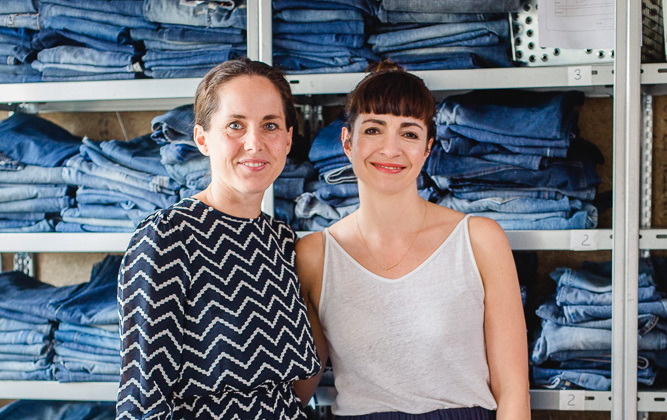
Through the Circular Impact Procurement Initiative (CIPI), we support innovative social businesses that offer circular solutions and thereby advance social and ecological progress. One of these businesses is Bridge&Tunnel from Hamburg-Wilhelmsburg, a social fashion label and textile manufactory that transforms old jeans, discarded workwear and textile surplus into new designs, connecting circular economy with social inclusion. Under the motto “We design society,” Bridge&Tunnel designs bags, accessories, clothing and B2B products from used textiles while strengthening women facing social disadvantage and refugees, who find their first regular employment subject to social insurance contributions in the manufactory.

Circular Goes Social: How Bridge&Tunnel Is Rethinking Fashion, the Job Market, and Resources Read More »

Circular Impact Champion: How rebeutel transforms textiles into circular impact

Within the framework of the Circular Impact Procurement Initiative (CIPI), we support innovative social businesses that offer circular solutions and thereby drive social and environmental progress. One of these businesses is rebeutel from Munich. The company collects textiles such as curtains, banners, or other fabric remnants and processes them in social workshops into reusable bags, pouches, and other products. This creates sustainable alternatives to single-use plastic and paper bags that are resource-efficient and unique. Through production in Bavarian workshops, people who face disadvantages in the labour market are enabled to engage in meaningful, craft-based work. This concept combines environmental protection through waste prevention with social inclusion.

Circular Impact Champion: How rebeutel transforms textiles into circular impact Read More »

A Digital Leap for Lusaka: Ebusaka Advances Digital Waste Management

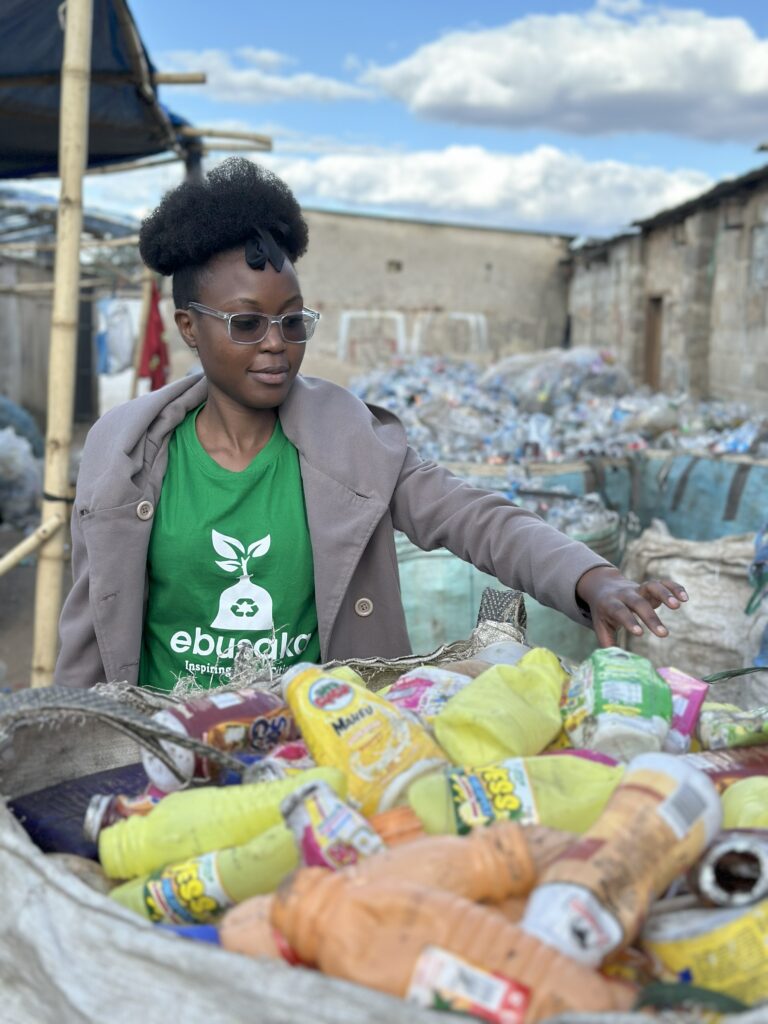
Across African cities, waste management systems are under growing pressure and in Lusaka, Zambia there is no exception. In response, Ebusaka Green Technology Limited is developing a digital, data-driven approach to improve how waste is collected, tracked, and managed, while placing inclusion and accountability at the center of the system.

A Digital Leap for Lusaka: Ebusaka Advances Digital Waste Management Read More »

Highlights From The Zero Waste Forum 2025 in Istanbul, Türkiye

Yunus Environment Hub joined global leaders at the Zero Waste Forum 2025 in Istanbul to explore how communities, businesses, and policymakers can turn waste into practical, scalable solutions. The Forum brought together voices committed to advancing the zero waste and circular economy transition worldwide.

Highlights From The Zero Waste Forum 2025 in Istanbul, Türkiye Read More »

Circular Impact Procurement: Powering Systemic Change Through Social Business

When procurement decisions are made, they rarely make headlines. Yet the contracts behind them determine how resources move, how products are made, and what kind of future we build. For years, we have discussed sustainability in production and consumption, but not enough about the missing middle: how things are purchased. Circular impact procurement is changing that. It transforms procurement from a transactional process into a tool for systemic change – connecting the act of buying to the goals of climate action, social inclusion, and long-term resilience

Circular Impact Procurement: Powering Systemic Change Through Social Business Read More »